Search
All Categories
    Menu Close
    RSS

    Blog

    Winter Fieldcraft: How to Stay Warm, Dry and Comfortable
    Winter Fieldcraft: How to Stay Warm, Dry and Comfortable

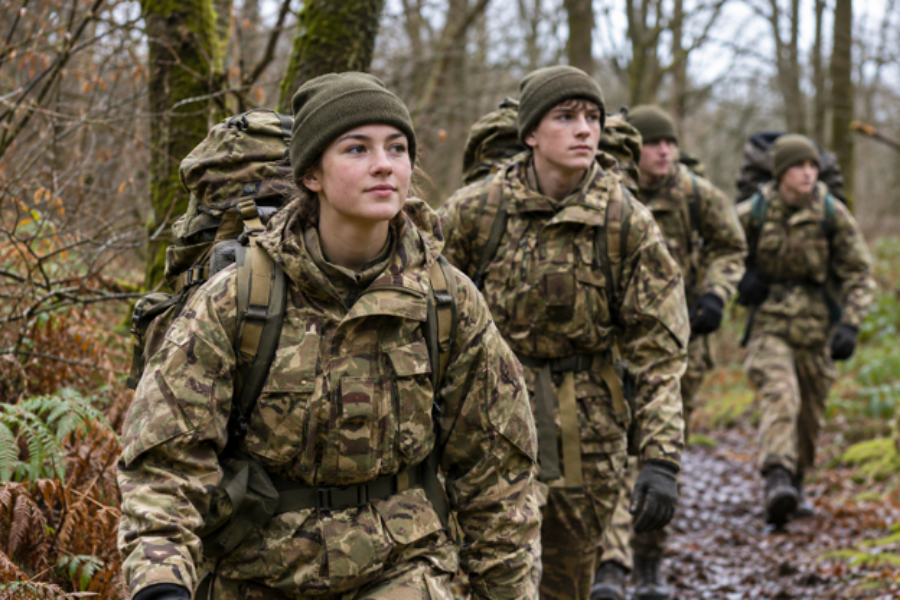
    Cold weather doesn't have to put a stop to cadet adventures. With the right preparation and equipment, winter fieldcraft can be just as rewarding as activities during the warmer months.

    From early morning exercises to long days spent outdoors, winter brings its own challenges. Falling temperatures, wet ground, unpredictable weather and shorter daylight hours can all make a difference to how comfortable you feel in the field.

    Whether you're preparing for your first winter exercise or you've already got a few camps under your belt, knowing how to dress, what to pack and how to look after your equipment can help you make the most of every activity.

    Here are our top tips for getting your cadet kit winter-ready.

    1. Layer Up for Changing Conditions

    When it comes to staying warm outdoors, wearing several suitable layers is generally more effective than relying on one thick jacket.

    The key is to choose clothing that helps regulate your temperature, keeps moisture away from your skin and provides protection against the elements.

    A good layering system typically includes:

    • Base layer: Worn closest to the skin, this should help move perspiration away from your body. Moisture-wicking materials are usually a better choice than cotton, which can stay damp.
    • Mid layer: A fleece or other insulating layer helps retain warmth, particularly during periods of low activity.
    • Outer layer: A windproof and waterproof jacket provides protection from rain, wind and changing weather conditions.

    Remember that fieldcraft often involves alternating between physical activity and periods of remaining still. Being able to add or remove layers helps you stay comfortable without overheating.

    Always check your unit's uniform and clothing requirements before heading out.

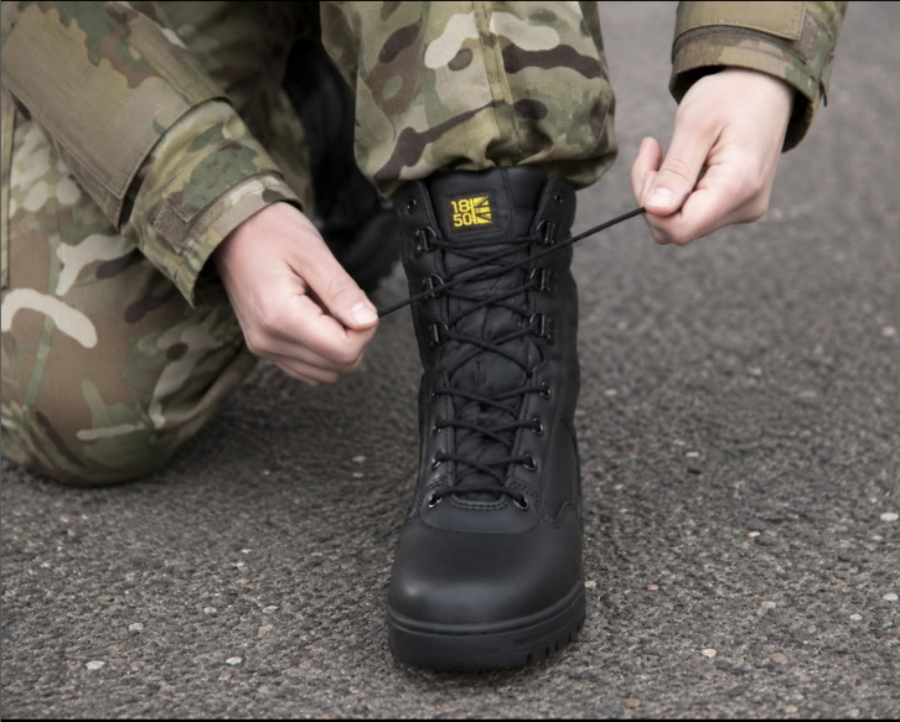
    2. Keep Your Feet Warm and Dry

    Cold, wet feet can quickly turn an enjoyable field exercise into an uncomfortable experience.

    Good-quality boots are an important part of your winter kit, particularly when you're walking across muddy ground, uneven terrain or wet grass.

    When choosing boots, think about:

    • Fit: Your boots should provide support without being too tight, particularly when worn with suitable socks.
    • Grip: A sturdy sole with appropriate traction can help when navigating slippery or uneven ground.
    • Water resistance: Boots suited to wet conditions can help protect your feet from rain and damp ground.
    • Comfort: Make sure you've worn your boots before a longer exercise rather than taking a brand-new pair straight into the field.

    Socks matter too. Choose suitable moisture-managing socks and pack a spare dry pair in a waterproof bag.

    If your boots do get wet, allow them to dry naturally and follow the manufacturer's care instructions. Avoid placing them directly against radiators or other intense heat sources, which can damage some materials.

    Looking to upgrade your footwear? Explore our boots and footwear collection for options suited to cadet activities.

    3. Don't Underestimate Waterproof Clothing

    British winter weather is rarely predictable. A dry morning can quickly become a wet afternoon, and even light rain can leave clothing uncomfortable after several hours outdoors.

    Waterproof clothing is therefore an important consideration when preparing for fieldcraft.

    A suitable waterproof jacket or outer layer can help protect you from rain and wind, while waterproof trousers or a poncho may provide additional protection depending on the activity.

    It's also worth thinking about how you'll store wet clothing once the rain stops. Keeping damp items separate from dry kit helps prevent moisture spreading through your bag.

    Before purchasing waterproof clothing, check whether your unit has specific requirements for colours, camouflage patterns or permitted equipment.

    You can explore our range of field kit and accessories when preparing for your next exercise.

    4. Remember the Smaller Winter Essentials

    It's easy to concentrate on boots, jackets and larger equipment, but some of the smallest items can make a noticeable difference during cold-weather activities.

    A few useful additions to consider include:

    • Gloves: Help protect your hands from cold conditions, particularly during periods of inactivity.
    • Warm headwear: Suitable hats can help retain warmth when permitted by your unit.
    • Spare socks: Useful if your feet become wet during an exercise.
    • A waterproof bag or dry bag: Helps protect spare clothing and other essentials.
    • A suitable torch or head torch: Particularly useful during the shorter daylight hours, where permitted.
    • A spare insulating layer: Provides additional warmth when activity levels drop.

    It's worth checking what you already own before buying anything new. You may only need a few additional items to make your existing kit more suitable for winter.

    5. Pack Your Bergan Properly

    When you're carrying your kit for several hours, how you pack can be just as important as what you bring.

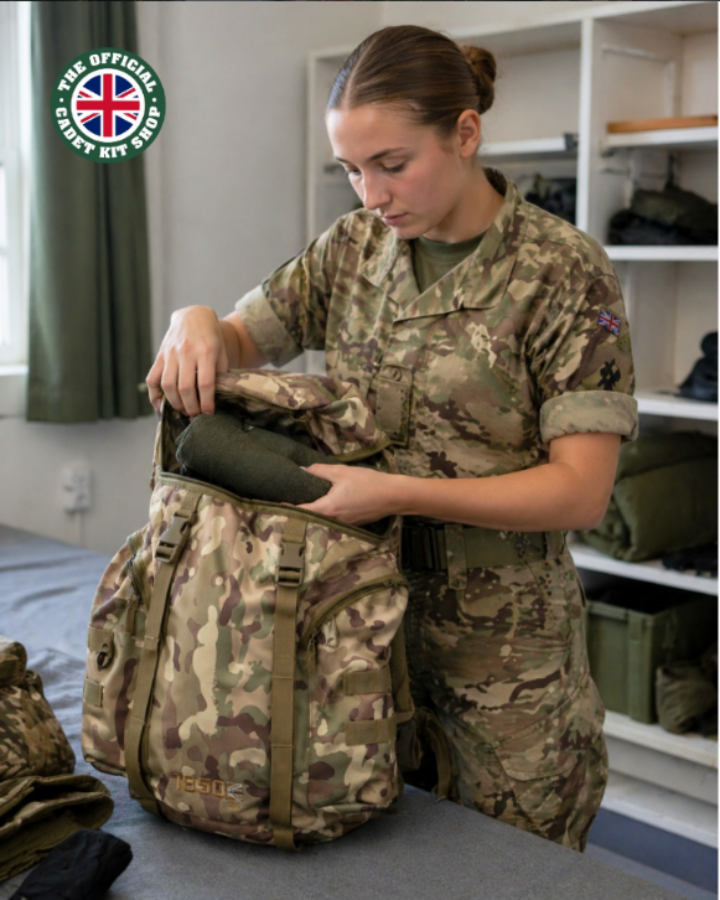
    A well-organised bergan or rucksack makes it easier to find equipment when you need it, while helping protect your belongings from wet weather.

    Start by checking the packing list provided by your unit. Then consider these simple tips:

    Keep essential items accessible. Waterproofs, gloves and other frequently needed equipment should be easy to reach without emptying your entire bag.

    Protect clothing from moisture. Use suitable waterproof liners or dry bags to keep spare layers and socks dry.

    Distribute weight carefully. Pack heavier equipment securely and close to your back where appropriate, following the guidance for your particular bag.

    Avoid unnecessary extras. Carrying too much can make an exercise more tiring than it needs to be.

    Check your bag before leaving. Make sure straps, buckles and zips are working properly.

    If you're considering a new bag, take a look at our bergans, rucksacks and carriage equipment.

    6. Look After Your Kit Between Exercises

    Winter conditions can be tough on clothing and equipment, particularly when mud, rain and damp ground are involved.

    Taking a little time to look after your kit after each exercise can help keep it in good condition for longer.

    When you get home:

    • Remove muddy clothing and footwear as soon as possible.
    • Clean boots according to the manufacturer's instructions.
    • Allow wet clothing and equipment to dry thoroughly before storing.
    • Check waterproof garments for damage or signs of wear.
    • Empty your bergan and make sure nothing damp has been left inside.
    • Replace worn or damaged items before your next activity.

    It's also worth checking your uniform and field equipment a few days before your next exercise, rather than discovering a problem while you're packing the night before.

    7. Know When the Cold Is Becoming a Problem

    Being prepared for winter fieldcraft isn't just about staying comfortable. It's also about recognising when weather conditions could affect your safety.

    Cold temperatures, wet clothing and strong winds can increase the risk of cold-related illness, particularly when you're outdoors for extended periods.

    If you experience persistent shivering, unusual tiredness, numbness, confusion or difficulty staying warm, tell an instructor immediately.

    Make sure you eat and drink as directed during activities, take advantage of opportunities to warm up and change into dry clothing when necessary.

    Most importantly, always follow your unit's safety guidance and instructions. If conditions become unsafe, the priority is your wellbeing, not completing the exercise.

    Ready for Your Next Winter Adventure?

    Winter fieldcraft can be a fantastic opportunity to develop confidence, resilience and practical outdoor skills. And with the right preparation, there's no reason why colder weather should take the enjoyment out of it.

    From comfortable boots and waterproof clothing to well-organised bergans and those all-important spare socks, getting your kit ready beforehand can make a real difference.

    Whether you're heading out for a weekend exercise or simply preparing for the colder months ahead, now is a good time to check what you've got and identify anything that needs replacing.

    Get Winter-Ready for Less This Black Friday!

    There's never been a better time to stock up on your winter cadet essentials!

    Our biggest Black Friday sale yet is just around the corner, with 25% OFF storewide from Friday 27 November to Monday 30 November.

    From boots and waterproofs to bergans, gloves and field kit, it's the perfect opportunity to get equipped for your next winter adventure while saving on the essentials.

    Use code BFCM25 at checkout.

    SHOP THE BLACK FRIDAY SALE

    Offer ends at 11:59pm on Monday 30 November 2026.
     

    Getting Ready for Remembrance: A Guide for Cadets and Parents
    (0) Getting Ready for Remembrance: A Guide for Cadets and Parents

    For many young people in the cadets, Remembrance Sunday is one of the most important dates in the calendar. It's an opportunity to come together with their communities, honour those who have served and sacrificed, and take part in a tradition that has been observed for generations.

    If your child has recently joined the cadets, this might be their first experience of a Remembrance parade. And while they're probably busy thinking about polishing their boots and making sure their uniform is just right, you might be wondering what the day actually involves.

    We've put together this guide to explain what Remembrance means for cadets, what to expect on the day and how to get everything ready in plenty of time.

    What Is Remembrance and Why Do We Observe It?

    Every November, people across the UK come together to remember those who have lost their lives in conflict, as well as recognising the service and sacrifice of those who have served in the Armed Forces.

    There are two important dates to be aware of:

    Remembrance Sunday takes place on the second Sunday in November. In 2026, this falls on Sunday 8 November. Communities across the country hold services, parades and wreath-laying ceremonies at local war memorials.

    Armistice Day takes place on 11 November, marking the anniversary of the armistice that ended fighting on the Western Front during the First World War in 1918. At 11am, people across the country observe a two-minute silence.

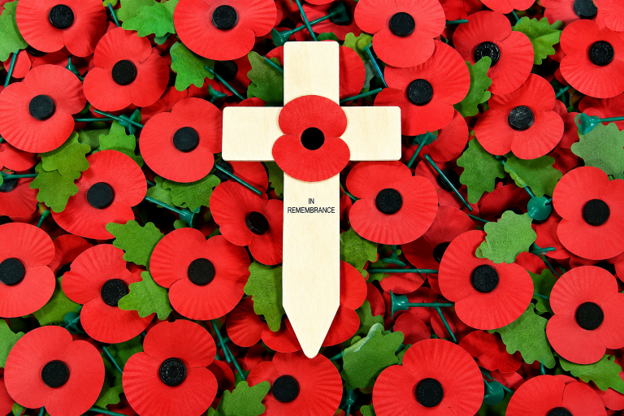
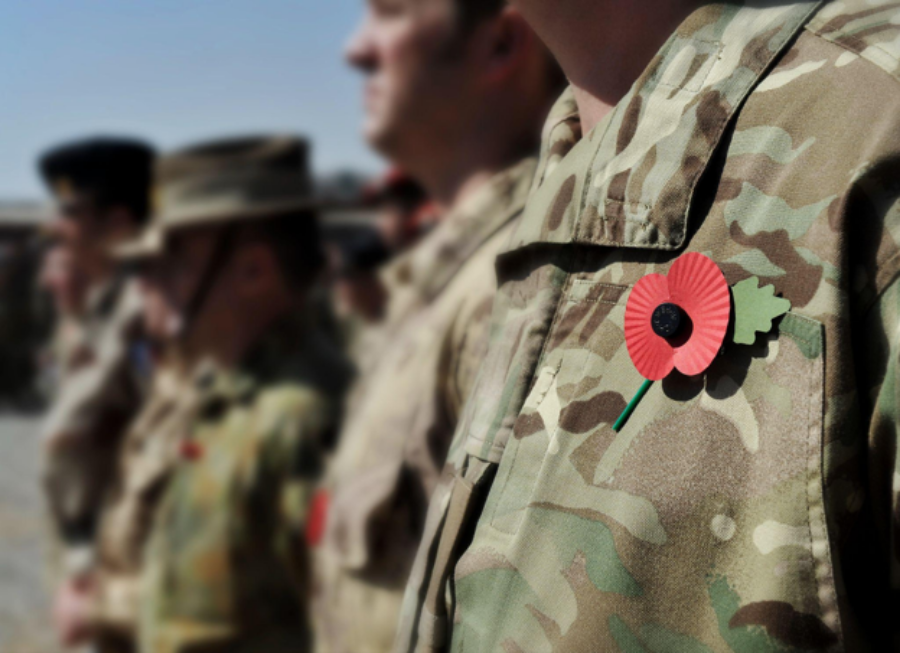
    The familiar red poppy has become a symbol of Remembrance, inspired by the flowers that grew on the battlefields of the First World War.

    But Remembrance isn't only about looking back. It's also an opportunity for younger generations to understand the importance of service, sacrifice, peace and community.

    Why Do Cadets Take Part in Remembrance Parades?

    For cadets, Remembrance is about much more than putting on a smart uniform.

    It's an opportunity to demonstrate some of the values they learn throughout their cadet experience, including respect, responsibility, teamwork and self-discipline.

    Many Army Cadets, RAF Air Cadets, Sea Cadets and Combined Cadet Force contingents take part in local Remembrance events, often alongside veterans, serving personnel, community organisations and members of the public.

    For some, this may involve marching in a parade. Others might form part of a guard of honour, lay a wreath, carry a standard or support a local service.

    It's also an opportunity to learn about the history behind the occasion and the people being remembered.

    And for parents watching from the sidelines, seeing their child take part in something so meaningful can be a particularly proud moment.

    Poppies

    What Happens at a Cadet Remembrance Parade?

    Every parade is slightly different, depending on the local community, the cadet unit and the arrangements made by the organisers.

    However, a typical Remembrance Sunday event might include:

    • Forming up: Cadets gather at an agreed location, usually ahead of the service, where their instructors check attendance and uniform.
    • The parade: Cadets may march through the local area alongside other organisations before arriving at a church, memorial or designated gathering place.
    • The service of Remembrance: This often includes readings, prayers, hymns or other moments of reflection.
    • The two-minute silence: Usually observed at 11am, this is one of the most significant parts of the occasion.
    • Wreath laying: Representatives from local organisations may lay poppy wreaths at the memorial.
    • Dismissal: Following the service, cadets return to their meeting point or are dismissed according to their unit's arrangements.

    Your child's cadet leaders will explain where they need to be, what time to arrive and what will be expected of them.

    If it's their first parade, encourage them to ask questions beforehand. Nobody expects a new cadet to know everything straight away!

    How Can Parents Help Their Cadet Prepare?

    A little preparation can make a big difference, especially if your child is taking part in their first parade.

    Check the Timings and Meeting Point

    Remembrance events often involve an early start, so make sure you know exactly where your child needs to be and when they should arrive. Check the collection arrangements too, particularly if the parade finishes somewhere different.

    Give the Uniform a Proper Once-Over

    Don't leave the uniform check until the night before. Make sure everything fits, is clean and is in good condition. If your child has had a growth spurt since their last formal parade, now's the time to find out!

    Make Sure Their Footwear Is Comfortable

    Depending on the event, cadets may spend a considerable amount of time standing or marching. Properly fitting footwear is essential, and new shoes or boots should ideally be worn in before the day.

    Be Ready for the British Weather

    November isn't exactly famous for sunshine. Cold mornings, rain and wind are all possibilities, so check with your child's unit about permitted layers, gloves and any other weather-related kit.

    Talk About What the Occasion Means

    If your child is taking part for the first time, it's worth having a conversation about why we observe Remembrance and what the different parts of the ceremony represent.

    It can help them understand the significance of their role and why the occasion is treated with such respect.

    Your Remembrance Parade Kit Checklist

    Whether your child is taking part in their first Remembrance parade or has attended several before, it's always worth checking their kit in advance.

    Here's a simple checklist to help get everything ready.

    1. Beret and Headdress

    Check that your child's beret or other required headdress fits correctly, is clean and is properly shaped.

    Different cadet forces and units have their own uniform requirements, so make sure they're wearing the correct headdress for the occasion.

    Shop Berets & Headdress

    Cadet Headdress

    2. Cap Badges

    It's often the smaller details that are easiest to overlook!

    Check that the correct cap badge is fitted securely and that any fastenings are in good condition.

    If your child is unsure which badge they need, their unit will be able to advise.

    Shop Headdress Badges

    Cap badges

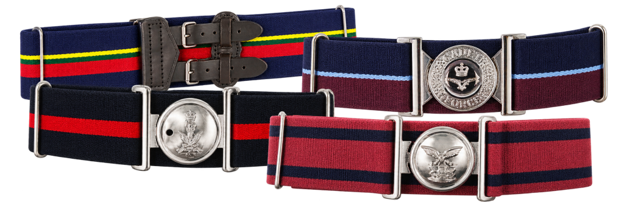
    3. Stable Belts

    If a stable belt forms part of your child's authorised parade uniform, check that it's the correct type, fits comfortably and is looking smart.

    Remember that stable belts aren't required for every cadet or every parade, so always follow your unit's instructions.

    Shop Stable Belts

    Army Stable Belts

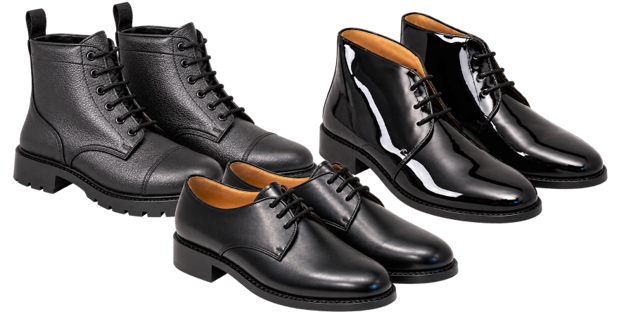
    4. Parade Footwear

    Smart, well-maintained footwear is an important part of parade dress.

    Depending on your child's cadet force and the uniform they've been instructed to wear, this could mean parade shoes or boots.

    Check that their footwear still fits comfortably, is clean and is ready for the occasion. If they've outgrown their current pair, ordering early gives them time to get used to the replacement.

    Shop Parade Footwear

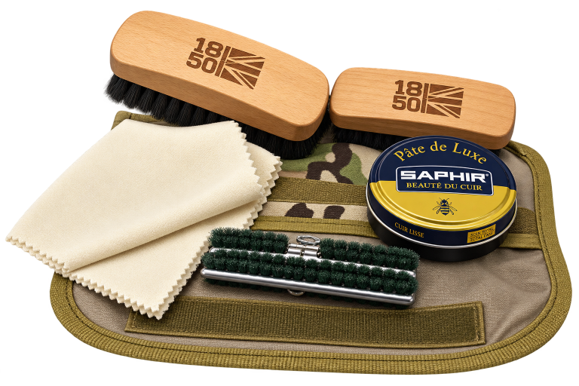
    5. Boot Polish and Care Essentials

    A good polish can make all the difference when it comes to getting parade footwear looking its best.

    Check you've got the basics ready, including suitable polish, brushes and polishing cloths.

    And if your child is still learning how to get that parade-ready shine, this is the perfect opportunity for a little practice.

    Shop boot accessories

    A cadet boot care kit

    6. Uniform and Finishing Touches

    Finally, give the rest of the uniform a thorough check.

    Are shirts and trousers clean and pressed? Are belts, badges and other authorised accessories in place? Does everything still fit?

    Always follow the dress instructions provided by your child's cadet unit, as requirements can vary depending on the force, unit and event.

    Our top tip: Lay everything out a few days before the parade rather than discovering a missing item at 9pm on Saturday evening!

    Get Remembrance Ready and Save 10%

    Getting everything ready for parade day? We've got you covered!

    From berets and stable belts to cap badges, parade footwear and boot care essentials, you'll find plenty of kit to help your cadet look smart and feel prepared for the occasion.

    To help you get organised ahead of November, we're offering 10% off your order with code NOV10.

    Simply enter NOV10 at checkout to claim your discount.

    Shop All Kit

    Just remember to check your cadet unit's uniform requirements before ordering.

    What Should Parents Expect on the Day?

    If you're attending to watch your child take part, it's worth arriving early and finding out where spectators are welcome to stand.

    Remembrance services can attract large crowds, particularly around town centres and war memorials, so allow plenty of time for parking and getting into position.

    During the service, follow the organisers' guidance and respect moments of silence and reflection.

    And, of course, don't forget to dress warmly yourself. You might not be marching, but standing outside on a November morning can still get pretty chilly!

    For many parents, it's a memorable occasion and a chance to see the confidence, discipline and sense of community their child is developing through cadets.

    A Moment to Remember

    For cadets, taking part in Remembrance is a responsibility and a privilege.

    It's a chance to stand alongside their community, honour the sacrifices made by previous generations and reflect on the values of service and respect that remain important today.

    Whether it's your child's first parade or they're already an experienced cadet, being prepared means they can concentrate on what really matters: taking part in the occasion with confidence and pride.

    At Cadet Kit Shop, we're here to help with the practical side of getting ready, from berets and badges to parade footwear and uniform essentials.

    Please remember that uniform requirements vary between cadet forces and individual units. Always check with your child's cadet leaders before purchasing parade kit.


    Joining the Cadets: A Parent’s Guide to ACF & CCF | Cadet Kit Shop
    (0) Joining the Cadets: A Parent’s Guide to ACF & CCF | Cadet Kit Shop
    Discover the difference between ACF and CCF, what to expect, what kit they’ll need and how to get started.
    Community Award Winners - Ammo & Company sponsored Award
    (0) Community Award Winners - Ammo & Company sponsored Award
    Ammo & Company send their heartfelt congratulations to the winners and look forward to supporting this event for years to come.
    Top Tips for Your CV as a Cadet | Skills Employers Look For
    Top Tips for Your CV as a Cadet | Skills Employers Look For
    Learn how to showcase your cadet experience on your CV. Discover the skills employers value most and practical tips to help you stand out when applying for your first job.
    Cadet Forces Expansion Announced: 30% Growth Planned by 2030
    (0) Cadet Forces Expansion Announced: 30% Growth Planned by 2030
    The cadet community has received some exciting news.
    Essential Cadet Kit List for Expeditions
    Essential Cadet Kit List for Expeditions
    Whether you’re heading off on your first cadet field exercise, preparing for a Duke of Edinburgh Award expedition, or joining an annual camp, having the right kit can make the difference between a successful adventure and a miserable one.
    What Do Army Cadets Do?
    (0) What Do Army Cadets Do?
    Joining the Army Cadets is more than just donning a uniform. It’s about developing confidence, gaining practical skills, and building friendships through exciting, hands-on activities. Whether you’re considering joining or are a proud cadet already, it’s helpful to understand what cadets do and how to take care of one of your most important pieces of kit: your cadet boots.
    A Beginner’s Guide to Cleaning and Polishing Cadet Boots
    (0) A Beginner’s Guide to Cleaning and Polishing Cadet Boots
    Looking after your cadet boots is a key part of your uniform, whether you're heading out on field training or standing smartly on parade. In this guide, we’ll cover everything you need to know to clean, polish, and maintain your boots properly — even if you’ve never done it before.
    The Ultimate 1850 Cadet Camp Kit List
    The Ultimate 1850 Cadet Camp Kit List
    Unsure what you should be bringing to cadet camp? We've compiled the ultimate kit list for everyone from first-timers to seasoned pros!